
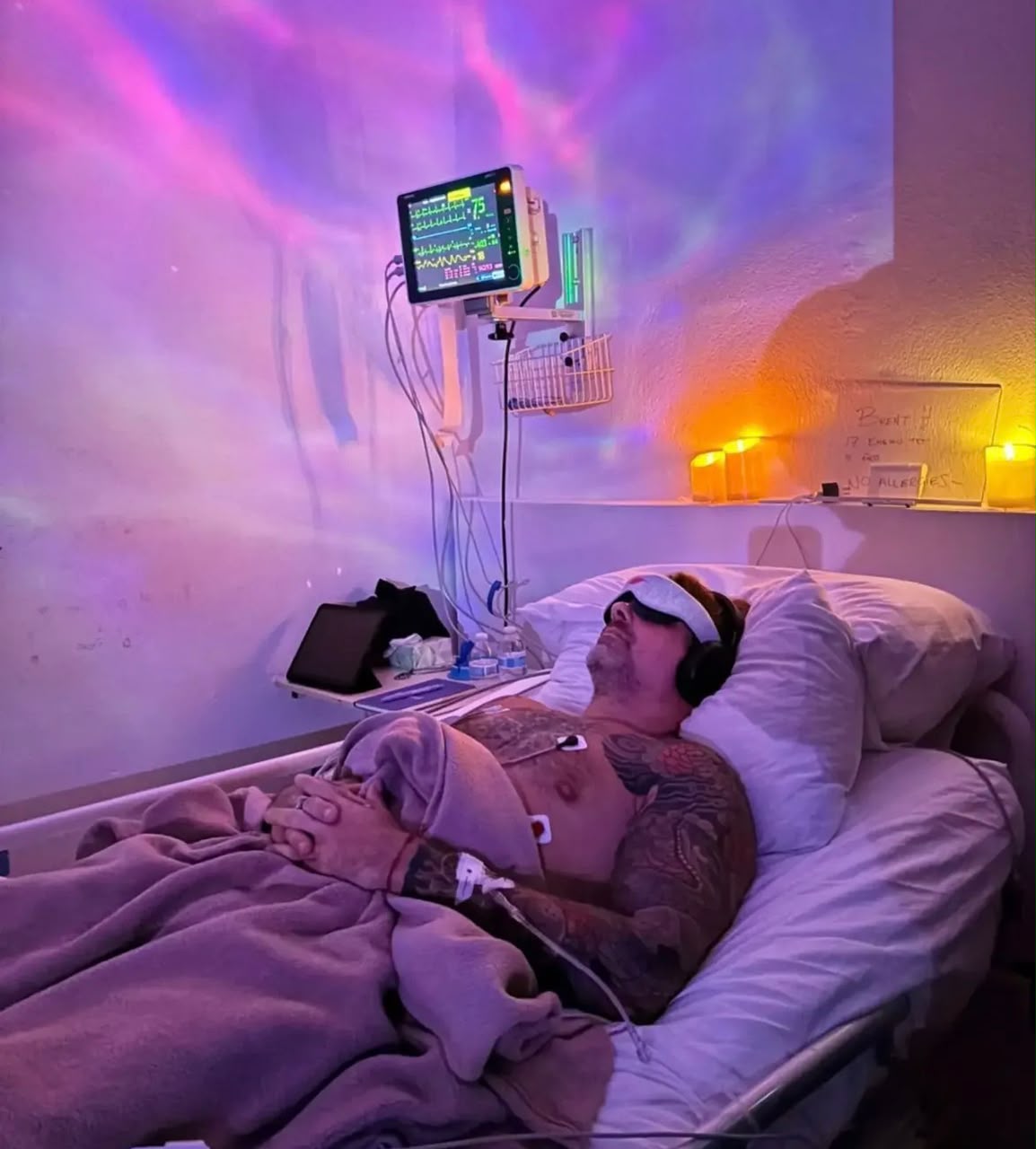
Ibogaine treatment United States is a topic attracting increasing attention from people searching for new approaches to addiction recovery. Ibogaine is a naturally occurring compound derived from the iboga plant, and researchers have investigated its potential relationship with opioid and other substance-use disorders. While interest continues to grow, ibogaine also presents significant health risks and remains an investigational treatment in the United States.
For anyone considering ibogaine, education should come before any treatment decision. Understanding the research, legal environment, potential risks, medical screening, and importance of professional support can help people make informed choices.
Ibogaine is a psychoactive alkaloid naturally found in Tabernanthe iboga, a plant native to Central Africa. Iboga has a long history of traditional ceremonial use, while ibogaine has attracted modern scientific interest because of its effects on neurological pathways associated with addiction and reward.
After administration, the body converts ibogaine into noribogaine, an active metabolite. Researchers have studied both compounds to better understand their possible effects on substance-use disorders.
Ibogaine should not be confused with ordinary herbal supplements. Its psychoactive effects and cardiovascular risks make it fundamentally different from conventional wellness products.
Addiction remains a major public-health challenge in the United States, particularly opioid-use disorder. This has encouraged researchers to investigate treatments that could complement existing approaches.
Early observational research and clinical studies have generated interest in ibogaine because some participants have reported reductions in withdrawal symptoms and drug cravings following treatment.
However, promising research does not establish ibogaine as a proven cure. Larger, well-controlled clinical trials are needed to determine its effectiveness, appropriate patient selection, and long-term safety.
Anyone considering ibogaine should therefore distinguish between research findings, personal testimonials, and established medical evidence.
The legal status of ibogaine in the United States requires careful consideration. Ibogaine is federally classified as a Schedule I controlled substance, meaning that it is not legally available as an FDA-approved prescription medicine.
This makes the U.S. environment very different from countries or jurisdictions where ibogaine-assisted treatment may be available under particular circumstances.
Because laws and regulations can vary by jurisdiction and may change, people should obtain current legal information from appropriate authorities or qualified legal professionals before attempting to obtain, possess, transport, or use ibogaine.
A website offering ibogaine does not automatically establish that a purchase or treatment arrangement is legal.
Ibogaine treatment has historically been associated with an intensive experience that can produce profound physical and psychological effects.
In responsible clinical or research settings, attention should be given to medical screening, medication history, cardiovascular evaluation, monitoring, psychological support, and emergency preparedness.
Treatment planning should be individualized rather than based on a generic internet protocol.
Importantly, there is no universally appropriate ibogaine dose that can safely be recommended for everyone. Factors such as health status, medications, body chemistry, cardiac function, and other individual characteristics can affect risk.
Medical screening represents one of the most important considerations before ibogaine exposure.
Ibogaine has been associated with QT-interval prolongation and potentially dangerous cardiac arrhythmias. In some circumstances, these complications can become life-threatening.
A qualified medical professional can determine which evaluations are appropriate based on the individual’s circumstances. These may include cardiovascular assessment, medication review, laboratory testing, and evaluation of other risk factors.
People should also disclose all prescription medicines, over-the-counter medications, supplements, and recreational substances to their healthcare provider.
Never discontinue prescribed medication simply to pursue ibogaine without guidance from the clinician responsible for that medication.
One reason ibogaine has attracted attention is its potential relationship with opioid-use disorder.
Researchers have investigated whether ibogaine may influence withdrawal symptoms, cravings, and patterns of substance use. Some observational studies have reported encouraging findings, but the evidence remains insufficient to establish ibogaine as a standard treatment for opioid addiction.
Established treatments for opioid-use disorder, including medications such as buprenorphine and methadone, have stronger evidence supporting their use.
Therefore, people considering ibogaine should discuss all available treatment options with an addiction-medicine professional rather than replacing established care without medical guidance.
Research and anecdotal reports have also generated interest in ibogaine for substances beyond opioids, including stimulants and alcohol.
However, evidence differs considerably between conditions. Results from preliminary studies should not be interpreted as proof that ibogaine treats every form of addiction.
Recovery is also influenced by factors such as mental health, social support, housing, employment, trauma, and access to continuing care.
A comprehensive recovery plan may therefore combine medical treatment, behavioral therapy, counseling, peer support, and long-term relapse-prevention strategies.
Ibogaine can produce an intense psychoactive experience. Some people describe vivid memories, introspection, emotional processing, or changes in their perception of personal experiences.
These effects can feel meaningful, but they can also become psychologically challenging.
People with certain psychiatric histories may face additional concerns. A qualified professional should evaluate psychological suitability rather than assuming that ibogaine is appropriate for everyone.
Ibogaine should not be promoted as a universal treatment for depression, anxiety, trauma, or other psychiatric conditions without appropriate clinical evidence.
Anyone researching ibogaine should evaluate providers carefully.
A responsible organization should prioritize transparency and safety rather than focusing exclusively on selling a product or treatment package.
Consider whether the organization:
Be especially cautious when a provider tells you that ibogaine is completely safe, guarantees permanent recovery, or claims that medical supervision is unnecessary.
Ibogaine treatment should never be approached as a simple online purchase.
The medical risks make appropriate supervision particularly important. A controlled environment should include procedures for identifying complications and responding to emergencies.
Psychological support can also matter before, during, and after an intensive ibogaine experience.
Aftercare may involve counseling, addiction treatment, peer support, lifestyle changes, and strategies designed to reduce relapse risk.
The period following treatment can be just as important as the initial experience because sustainable recovery requires ongoing support.
Iboga and ibogaine are related but different.
Iboga refers to the plant and preparations derived from Tabernanthe iboga. The plant contains multiple naturally occurring alkaloids.
Ibogaine refers specifically to one of those alkaloids.
Because their chemical compositions differ, people should not assume that iboga root preparations and purified ibogaine have identical effects or risks.
Understanding this distinction is particularly important when researching products or treatment programs online.
If you are researching ibogaine treatment United States, start with reliable information rather than advertisements.
Look for scientific publications, information from recognized medical organizations, and current regulatory information.
Ask questions such as:
These questions can help separate responsible education from unsupported marketing.
Addiction recovery rarely depends on one intervention.
A long-term plan may include medical care, counseling, behavioral therapy, peer-support groups, healthy routines, family support, and relapse-prevention planning.
For opioid-use disorder in particular, evidence-based medications remain important options. People should speak with qualified addiction professionals before changing or stopping established treatment.
Ibogaine research may eventually contribute to new therapeutic approaches, but ongoing scientific investigation remains necessary.
TAIBOGA.COM provides information and resources related to iboga, ibogaine, and wellness. If you are researching ibogaine from the United States, take time to understand the substance and its potential risks before making decisions about treatment or products.
Responsible education means looking beyond promotional claims and considering medical safety, legal requirements, product transparency, and continuing recovery support.
For eligible first purchases at TAIBOGA.COM, customers can use the promotional coupon RECOVERY20. Availability and eligibility should be confirmed directly with TAIBOGA.COM before purchasing.
Any U.S. customer should independently verify whether obtaining or importing a particular ibogaine-related product is lawful before placing an order.
Ibogaine treatment refers to the use of ibogaine in an attempt to address substance-use disorders or related recovery goals. It remains investigational in the United States and carries significant medical risks.
No. Ibogaine is not an FDA-approved treatment for addiction in the United States.
There is evidence and testimonies ibogaine will cure opioid addiction. Research is ongoing, and established evidence-based treatments should be discussed with qualified addiction professionals.
Ibogaine can cause serious adverse effects, including potentially dangerous cardiac rhythm disturbances. Appropriate medical assessment is therefore essential.
Online availability does not establish legal availability. U.S. consumers should verify current federal and state requirements before attempting to obtain or import ibogaine.
Ibogaine treatment United States remains a subject of significant interest because researchers continue to investigate whether ibogaine could contribute to new approaches for addiction recovery. Nevertheless, scientific interest should not be confused with FDA approval or proof of safety and effectiveness.
Anyone exploring ibogaine should put safety first. Medical screening, cardiovascular assessment, medication review, legal compliance, professional oversight, and continuing recovery support all deserve careful consideration.
Ibogaine may represent an intriguing area of research, but responsible decisions require realistic expectations and qualified professional guidance.
Looking for information about ibogaine and recovery? Contact TAIBOGA.COM at +237 653 823 790 to learn more about iboga and ibogaine resources. Eligible first purchases can use coupon code RECOVERY20. SHOP NOW BY CLICKING HERE
Shop responsibly, verify applicable laws, and prioritize your health and safety before making any treatment or purchasing decision. Taiboga is here to support and walk with you all through your treatment journey..