
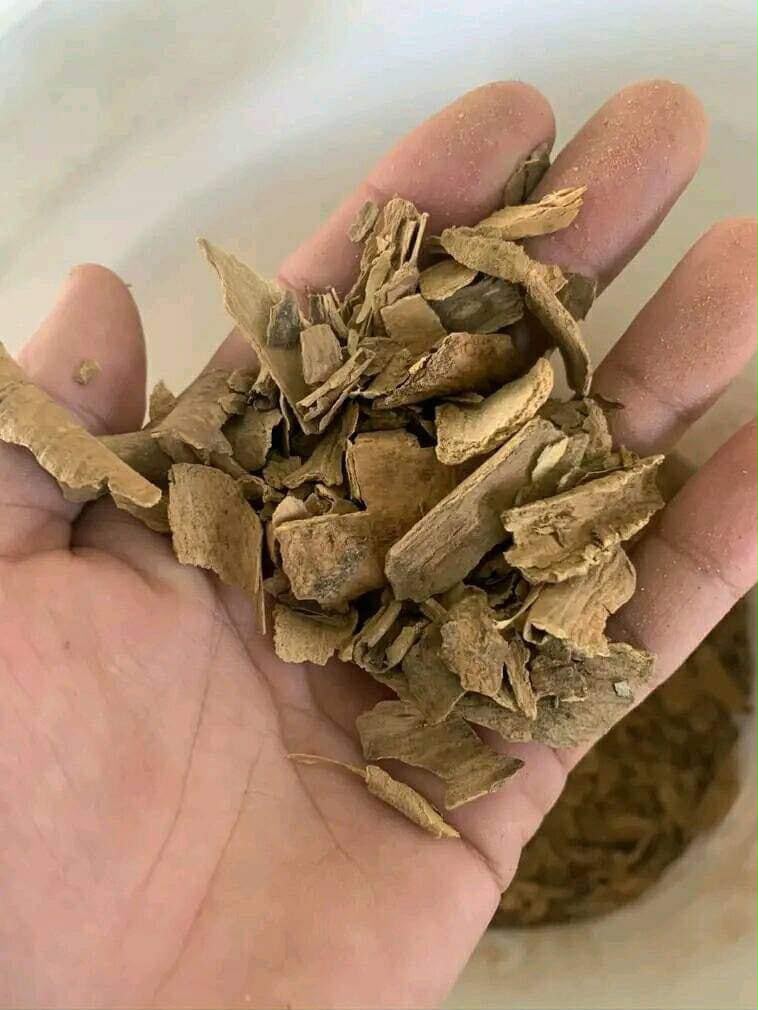
Traditional uses of iboga root bark have deep cultural and spiritual significance in parts of Central Africa, particularly Gabon. Derived from Tabernanthe iboga, a shrub native to the region, iboga has been used in traditional ceremonies, spiritual practices, and community rites for generations. Its importance extends beyond the plant itself, representing a connection between cultural heritage, spiritual reflection, and traditional knowledge.
Today, iboga also attracts scientific interest because it contains ibogaine, a naturally occurring alkaloid that researchers are studying for its effects on the brain and its potential applications in addiction research. Understanding the traditional role of iboga alongside modern scientific investigation helps readers appreciate this remarkable plant while distinguishing cultural knowledge from established medical evidence.
At TAIBOGA.COM, we encourage informed exploration of iboga, ibogaine, their history, and the ongoing research into their properties.
Iboga grows naturally in parts of Central Africa, including Gabon and neighboring regions. The plant has a long history of cultural importance among communities that have developed traditional practices around its use.
The root bark is particularly significant because it contains several naturally occurring alkaloids, including ibogaine, ibogaline, and ibogamine.
For many generations, knowledge about iboga has been transmitted through community traditions, spiritual practitioners, and oral histories. These practices reflect relationships between people, their environment, and their cultural heritage.
The meaning of iboga can differ between communities, so its traditional uses should not be reduced to a single ceremony or purpose.
One of the best-known traditional contexts for iboga is the Bwiti spiritual tradition in Gabon.
Within some Bwiti communities, iboga has a ceremonial role associated with spiritual reflection, initiation, personal transformation, and connections with ancestors. The plant may form part of broader practices involving music, singing, dancing, communal participation, and guidance from experienced practitioners.
These traditions are embedded in cultural and spiritual frameworks that cannot be fully understood by considering the plant in isolation.
Iboga is therefore more than a botanical substance in these settings. Its significance is shaped by the beliefs, responsibilities, relationships, and ceremonies surrounding its use.
Respectful discussion of iboga should recognize the communities that have preserved this knowledge and avoid treating sacred practices as ordinary commercial wellness products.
Some traditional iboga ceremonies are understood by participants as opportunities for introspection, spiritual reflection, and personal transformation.
Within these cultural settings, experiences may be interpreted through established beliefs about identity, community, ancestry, and spiritual development.
Modern readers sometimes compare these accounts with contemporary interest in psychology and emotional well-being. However, traditional spiritual interpretations and clinical medical outcomes are different kinds of knowledge.
A person’s reported experience does not automatically demonstrate that iboga treats a medical condition.
Recognizing this distinction allows traditional knowledge to be discussed respectfully while preserving scientific accuracy.
Iboga root bark contains a mixture of naturally occurring compounds. Ibogaine is one of its best-known alkaloids and has attracted attention from researchers studying the nervous system.
The distinction is important:
The concentration of alkaloids can vary with plant material, processing, and preparation. Products should not be assumed to have identical compositions simply because they share an iboga-related label.
Reliable ingredient information and appropriate laboratory testing can help establish what a product contains.
Ibogaine has a complex pharmacological profile. Researchers have investigated its interactions with several neurological systems, including opioid receptors, NMDA receptors, and pathways involving serotonin and other neurotransmitters.
These systems contribute to functions such as mood, learning, reward, and communication between brain cells.
After entering the body, ibogaine is metabolized into noribogaine, an active compound that may contribute to some of its longer-lasting pharmacological effects.
Scientists continue to study how these interactions relate to the experiences reported by people who receive ibogaine.
Although the findings have generated interest, the precise mechanisms and their clinical significance are not fully established. Ibogaine should not be described as a guaranteed treatment for addiction or other medical conditions.
Researchers have investigated ibogaine because some people report changes in cravings and withdrawal symptoms following treatment.
These reports have prompted scientific questions about the relationship between ibogaine and the neurological processes involved in substance use.
However, promising observations are not equivalent to proof of effectiveness. More controlled clinical research is needed to establish the benefits, limitations, and appropriate applications of ibogaine.
People experiencing substance-use disorders can benefit from discussing established treatment options with qualified healthcare professionals. For opioid use disorder, treatments such as buprenorphine and methadone are supported by substantial clinical evidence.
Any consideration of ibogaine should take place within an appropriate medical and legal framework.
Scientific interest in ibogaine has also expanded to include research into brain function and traumatic brain injury (TBI).
Some early observational research involving veterans with predominantly mild TBI has reported improvements in certain symptoms and changes in brain-imaging measurements following a magnesium-ibogaine protocol.
These findings have encouraged further investigation into possible relationships between ibogaine, brain connectivity, and neuroplasticity—the brain’s ability to adapt and reorganize its connections.
However, the findings remain preliminary. They do not establish ibogaine as a proven TBI treatment or demonstrate that it repairs damaged brain tissue.
For people experiencing symptoms after a head injury, professional neurological assessment remains important.
As international interest in iboga grows, responsible sourcing and cultural respect become increasingly important.
The plant’s traditional significance should be acknowledged, particularly when its cultural history is discussed in commercial settings.
Responsible practices may include:
These principles help create a more informed conversation about iboga and its place in both cultural history and modern research.
The traditional uses of iboga root bark offer an opportunity to learn about Central African cultural heritage while exploring the scientific interest surrounding ibogaine.
Its history encompasses spiritual traditions, community practices, botanical knowledge, and continuing scientific investigation. Each area deserves careful consideration on its own terms.
At TAIBOGA.COM, you can explore information about iboga, ibogaine, their natural origins, and current research. We encourage visitors to ask questions, seek reliable product information, and make informed decisions about their health.
New customers may qualify for 20% off their first eligible purchase at TAIBOGA.COM by using coupon code RECOVERY20. SHOP NOW
Contact our team to confirm product availability, eligibility, and applicable promotion terms before ordering.
Website: TAIBOGA.COM
Contact / WhatsApp: +237653823790
Discover the traditional uses of iboga root bark, learn about its cultural significance, and explore the developing science surrounding ibogaine only at TAIBOGA…
