
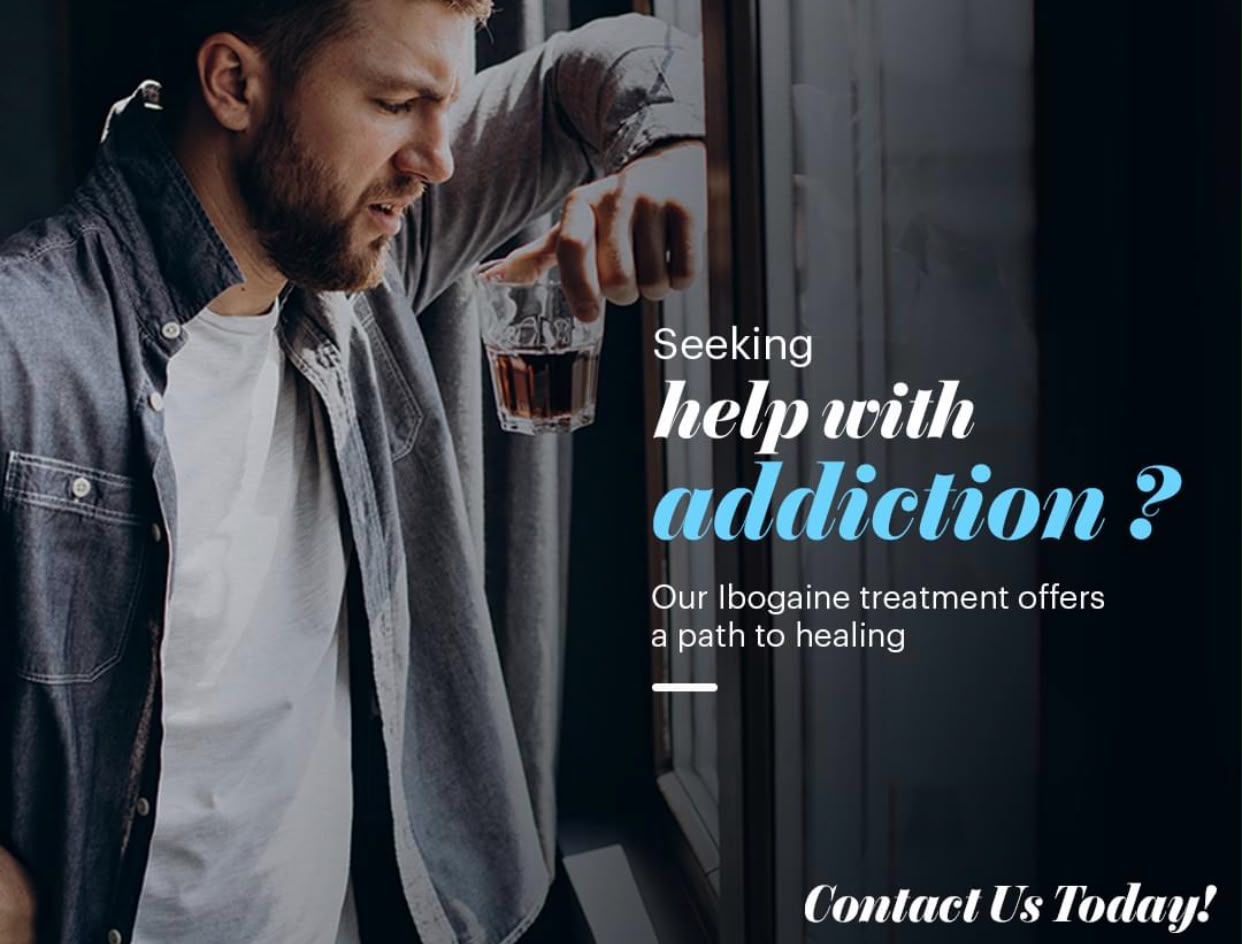
Ibogaine treatment Australia is a topic of growing interest among people exploring new approaches to addiction recovery and personal well-being. Derived from the root bark of the African Tabernanthe iboga plant, ibogaine is a naturally occurring alkaloid that researchers are studying for its potential effects on cravings, withdrawal symptoms, and substance-related behaviours.
Discover the transformative potential of iboga research and learn how ibogaine works, what scientists are investigating, and why professional guidance matters when considering treatment options. For people seeking a fresh perspective on recovery, understanding iboga and ibogaine can be a valuable first step towards making informed decisions.
At Taiboga, we encourage people to explore reliable information about iboga, ibogaine, and recovery while prioritising informed choices and responsible care.
Iboga is a plant native to Central and West Africa, where it has a long history of traditional and spiritual use in some communities. Its root bark contains several alkaloids, including ibogaine, which affects the central nervous system.
Traditional iboga practices have cultural significance, while modern scientific research focuses on understanding the plant’s chemical compounds and their possible therapeutic applications.
Although iboga and ibogaine are closely related, they are not interchangeable terms. Iboga refers to the plant, while ibogaine is one of its active alkaloids. Researchers have shown particular interest in ibogaine because of its complex effects on several biological systems associated with substance use and behaviour.
Ibogaine treatment generally refers to the use of ibogaine in an attempt to address substance dependence. Researchers have investigated its potential role in supporting people experiencing opioid dependence and other substance-use disorders.
Some observational studies have reported reduced cravings or withdrawal symptoms following ibogaine exposure. These findings have encouraged further investigation into whether ibogaine could contribute to future addiction-treatment approaches.
However, research remains limited, and results vary between individuals. Ibogaine is not a proven cure for addiction, and it should not replace established medical treatment without appropriate clinical assessment.
Recovery involves more than a single intervention. Medical care, counselling, social support, and continuing recovery planning can all help people work towards lasting change.
Ibogaine interacts with multiple neurotransmitter systems in the brain. These systems influence communication between nerve cells, mood, reward, motivation, and responses to substances.
Scientists have studied ibogaine’s effects on glutamate, serotonin, dopamine, and opioid-related pathways. Its activity across several systems makes it an important subject in addiction research, although researchers have not identified one mechanism that fully explains its reported effects.
Some people in observational studies have reported a reduction in cravings after ibogaine exposure. Researchers are examining whether its effects on brain signalling could help explain these experiences.
These early findings offer an area for further scientific exploration, but they do not mean everyone will experience the same outcome.
Ibogaine has been investigated for its possible effects on withdrawal symptoms associated with opioid dependence. Some studies have reported short-term improvements, making the compound a subject of continuing interest.
Withdrawal can involve serious medical complications. People should seek professional advice rather than attempt to manage withdrawal or stop prescribed medication independently.
Some people describe intense introspective experiences during ibogaine exposure. These experiences have contributed to interest in the relationship between ibogaine, emotional processing, and behaviour.
Personal accounts are not proof that ibogaine reliably treats depression, anxiety, or trauma. Anyone experiencing these conditions should discuss evidence-based treatment options with a qualified healthcare professional.
Interest in ibogaine comes from its distinctive pharmacological activity and preliminary findings in addiction research.
Potential areas of investigation include:
These findings remain preliminary. Ibogaine can also affect the heart’s electrical activity and cause dangerous, potentially fatal arrhythmias. Medical screening and appropriate monitoring are essential considerations, not optional extras.
If you are researching ibogaine treatment Australia, start by checking the regulatory position and the credentials of any provider you consider.
Ibogaine is not an established, routinely approved addiction treatment in Australia. Australian therapeutic goods rules generally require medicines to be included on the Australian Register of Therapeutic Goods before they can be supplied, imported, or exported, unless an applicable exemption or authorised pathway applies. Access to unapproved goods is subject to specific requirements, and state or territory rules may also matter.
Before making arrangements:
For official information, visit the Therapeutic Goods Administration.
Taiboga offers information about iboga and ibogaine for people who want to learn more about these compounds and their research background.
Visit TAIBOGA.COM to explore available information and contact the team with questions about its services, product details, and availability. If you live in Australia, confirm local laws and import requirements before ordering any ibogaine-related product. TAIBOGA is here to guide and support you..
Interested in exploring Taiboga’s eligible offerings? Visit the website to review the available product information and applicable terms.
First-purchase coupon: RECOVERY20
Enter RECOVERY20 at checkout for the applicable first-purchase offer, subject to Taiboga’s current terms and product eligibility. Check the website for the actual discount and conditions before completing your purchase.
Products containing ibogaine should not be treated as ordinary wellness supplements. Do not use them without appropriate medical guidance, and do not assume that an online product is approved for human use or legal to import into Australia.
Ibogaine has been investigated for its potential effects on substance dependence, cravings, and withdrawal symptoms. It is not an established, routinely approved addiction treatment in Australia.
Ibogaine interacts with several neurotransmitter systems, including pathways involving glutamate, serotonin, dopamine, and opioid-related signalling. Researchers are still investigating how these effects relate to reported changes in cravings and withdrawal symptoms.
Access is subject to Australia’s therapeutic goods framework and potentially other state or territory requirements. Check current regulations with the TGA and seek advice from a qualified medical professional before making arrangements.
Visit TAIBOGA.COM or call +237 653 823 790 to enquire about available information and services.
Interest in ibogaine treatment Australia reflects a wider search for additional approaches to addiction recovery. Iboga has a rich cultural history, and ibogaine continues to attract scientific attention because of its complex effects on brain signalling and preliminary findings involving cravings and withdrawal symptoms.
Although research is ongoing, individual outcomes cannot be guaranteed. Make informed decisions by reviewing the evidence, checking Australian regulations, and speaking with qualified healthcare professionals about suitable recovery options.
Start your journey towards a brighter tomorrow with reliable information. Visit TAIBOGA.COM or call +237 653 823 790 on whatsapp to enquire about Taiboga’s resources and eligible offerings. For eligible first purchases, remember to check coupon code RECOVERY20 and its terms. SHOP NOW AT TAIBOGA BY CLICKING HERE
Explore your options, stay informed, and make your well-being a priority.
