
Fentanyl addiction treatment is a critical topic as communities around the world continue to face the devastating effects of opioid misuse. Discover effective fentanyl addiction treatment options that can help you or a loved one reclaim a healthier, happier life. Start your journey to recovery today.
Fentanyl is a powerful synthetic opioid that has contributed to a significant increase in overdose deaths worldwide. Originally developed for pain management under medical supervision, fentanyl is many times more potent than morphine. Because of its strength, dependence can develop quickly, and withdrawal symptoms can be severe.
The good news is that recovery is possible. With proper medical care, evidence-based therapies, community support, and long-term commitment, individuals can rebuild their lives and achieve lasting recovery.
Fentanyl is a synthetic opioid medication used to treat severe pain, especially after surgery or in advanced cancer care. It is highly effective when prescribed and monitored by healthcare professionals.
However, illicitly manufactured fentanyl has become increasingly common. It is often mixed into other substances without the user’s knowledge, increasing the risk of overdose and addiction.
Even a very small amount may produce powerful effects. Because of this potency, people who use fentanyl often develop tolerance quickly and require increasing amounts to achieve the same effects.
Addiction is a chronic medical condition characterized by compulsive substance use despite harmful consequences.
When fentanyl enters the brain, it binds to opioid receptors and triggers a surge of dopamine. This produces feelings of pleasure, relaxation, and pain relief. Over time, the brain adapts to these changes, making it difficult for individuals to function normally without the drug.
Common signs of fentanyl addiction include:
Recognizing these signs early can help individuals seek treatment before the condition becomes more severe.
Many people attempt to quit opioids on their own. While the desire to stop is admirable, withdrawal symptoms can be intense and difficult to manage without support.
Professional treatment provides:
A personalized treatment plan often improves the likelihood of successful recovery.
Withdrawal symptoms may begin within hours after the last use.
Common symptoms include:
Although opioid withdrawal is generally not life-threatening, it can be extremely uncomfortable. Medical supervision is often recommended.
Detox is often the first step in recovery.
During detox, healthcare professionals monitor symptoms and provide appropriate care to improve safety and comfort. Medications may be prescribed to help manage withdrawal symptoms.
Benefits of medical detox include:
Detox alone is rarely enough. Long-term recovery typically requires continued therapy and support.
Medication-Assisted Treatment is considered one of the most effective approaches for opioid use disorder.
Common medications include:
Methadone helps reduce cravings and withdrawal symptoms. It has been used successfully for decades and is administered under medical supervision.
Buprenorphine can reduce cravings while lowering the risk of misuse compared with full opioid agonists.
Naltrexone blocks opioid receptors and helps prevent relapse after detoxification.
These medications are often combined with counseling and behavioral therapies for optimal results.
Addiction affects more than the body. It also impacts emotions, relationships, habits, and decision-making patterns.
Behavioral therapies help individuals understand the factors contributing to substance use and develop healthier coping strategies.
CBT helps individuals identify harmful thought patterns and replace them with healthier alternatives.
Benefits include:
This therapy helps people strengthen their motivation to change and commit to recovery goals.
Addiction often affects entire families. Family therapy can improve communication and support healing within relationships.
Group therapy provides encouragement, accountability, and shared experiences from others facing similar challenges.
Many individuals struggling with fentanyl addiction also experience mental health conditions such as:
Addressing both addiction and mental health concerns can improve recovery outcomes.
Integrated treatment plans are often recommended because they address the whole person rather than focusing solely on substance use. Read more by Clicking here.
Residential rehabilitation programs provide structured environments where individuals can focus entirely on recovery.
Benefits include:
For some individuals, residential treatment offers the stability needed during the early stages of recovery.
Outpatient treatment allows individuals to receive care while continuing with work, school, or family responsibilities.
Services may include:
Outpatient programs can be effective when appropriate support systems are available.
Recovery is a long-term process.
Relapse prevention strategies often include:
Triggers may involve:
Recognizing triggers allows individuals to prepare healthier responses.
Regular exercise, nutritious meals, adequate sleep, and mindfulness practices can support recovery.
Supportive friends, family members, counselors, and recovery groups play important roles in maintaining sobriety.
Ongoing counseling helps individuals address challenges before they lead to relapse.
Recovery becomes more manageable when people feel connected.
Support groups provide:
Many people find strength in sharing experiences with others who understand the challenges of addiction recovery.
Interest in alternative approaches to addiction recovery has increased over the years. Among these approaches, iboga and ibogaine have received attention from researchers.
Iboga is a plant traditionally used in certain cultural and spiritual practices. Ibogaine is a naturally occurring compound derived from the iboga plant.
Some preliminary studies and personal reports have suggested that ibogaine may influence addiction-related pathways and withdrawal experiences. However, research remains ongoing, and significant questions about safety, effectiveness, dosing, and long-term outcomes still exist.
It is important to understand that ibogaine is not approved as a standard treatment for opioid addiction in many countries. Serious medical risks, including potentially dangerous heart-related complications, have been reported.
Anyone considering alternative therapies should consult qualified healthcare professionals and seek comprehensive medical evaluation.
Long-term recovery involves more than stopping substance use.
A sustainable recovery plan may include:
Recovery often happens gradually, one step at a time.
Supporting someone with fentanyl addiction can be challenging.
Helpful approaches include:
Compassion and patience can make a meaningful difference.
Although fentanyl addiction can feel overwhelming, recovery remains possible. Thousands of individuals have rebuilt their lives through evidence-based treatment, professional support, and personal determination.
Every recovery journey is unique. Some people progress quickly, while others experience setbacks along the way. What matters most is continuing forward and seeking support when needed.
By combining medical care, behavioral therapies, mental health support, and healthy lifestyle changes, individuals can create a foundation for lasting recovery and improved well-being.
In recent years, ibogaine has attracted attention within the addiction recovery community because of its potential effects on opioid dependence, including fentanyl addiction. Ibogaine is a naturally occurring psychoactive alkaloid derived from the iboga plant, which is native to Central Africa.
Researchers have been exploring ibogaine because some observational studies and patient reports suggest that it may influence addiction-related pathways in the brain. Individuals who have undergone ibogaine treatment have reported reductions in opioid cravings and improvements in withdrawal symptoms. These reported effects have generated interest among scientists studying new approaches to addiction recovery.
One reason ibogaine has gained attention is its complex interaction with multiple neurotransmitter systems. Unlike conventional opioid medications, ibogaine appears to affect serotonin, dopamine, glutamate, and opioid receptors simultaneously. Researchers believe these interactions may contribute to changes in addictive behaviors and patterns of substance dependence.
Some scientists have also investigated ibogaine’s metabolite, noribogaine. Early research suggests that noribogaine may remain active in the body for a longer period and could potentially contribute to prolonged changes in mood, craving intensity, and emotional well-being.
Many people struggling with fentanyl addiction describe a cycle of severe withdrawal symptoms, powerful cravings, and repeated relapse. Because fentanyl is an extremely potent opioid, recovery can be especially challenging. Preliminary reports from some treatment settings suggest that ibogaine may help certain individuals navigate parts of the withdrawal process. However, these reports do not establish ibogaine as a proven treatment, and more high-quality clinical research is needed.
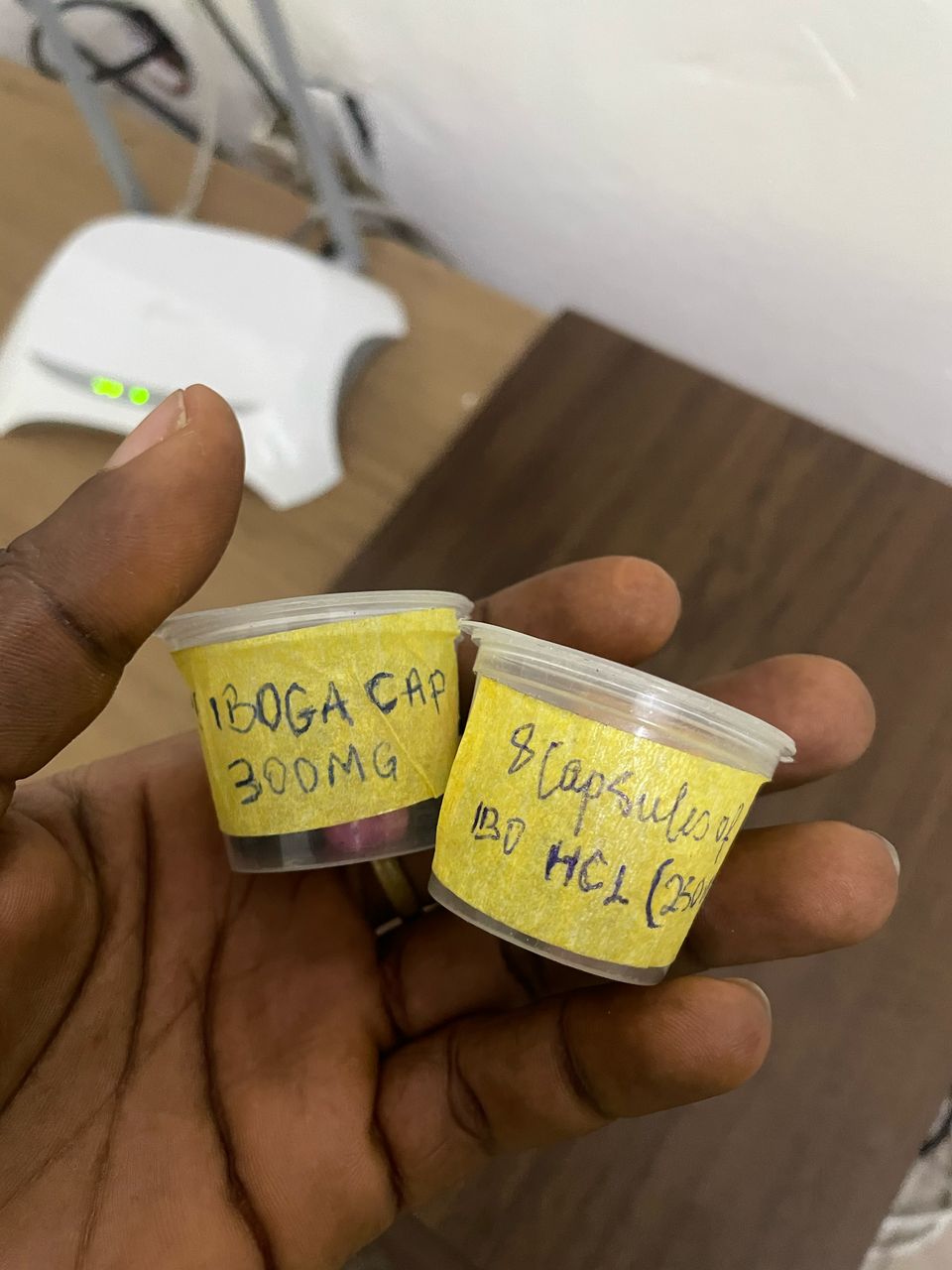
Fentanyl addiction presents serious challenges, but effective treatment options are available. Medical detoxification, medication-assisted treatment, behavioral therapies, mental health care, and community support all contribute to successful recovery outcomes ibogaine treatment is very powerful and effective.
While interest in iboga and ibogaine continues to grow, these approaches remain areas of ongoing research and should be considered carefully with professional medical guidance. Individuals seeking recovery are encouraged to rely on qualified healthcare providers and evidence-based treatment strategies.
With the right support system and commitment to healing, a healthier and more fulfilling future can be achieved.
General Information Request – Taiboga
For information about Taiboga’s services, educational resources, or product availability, readers may contact:
