
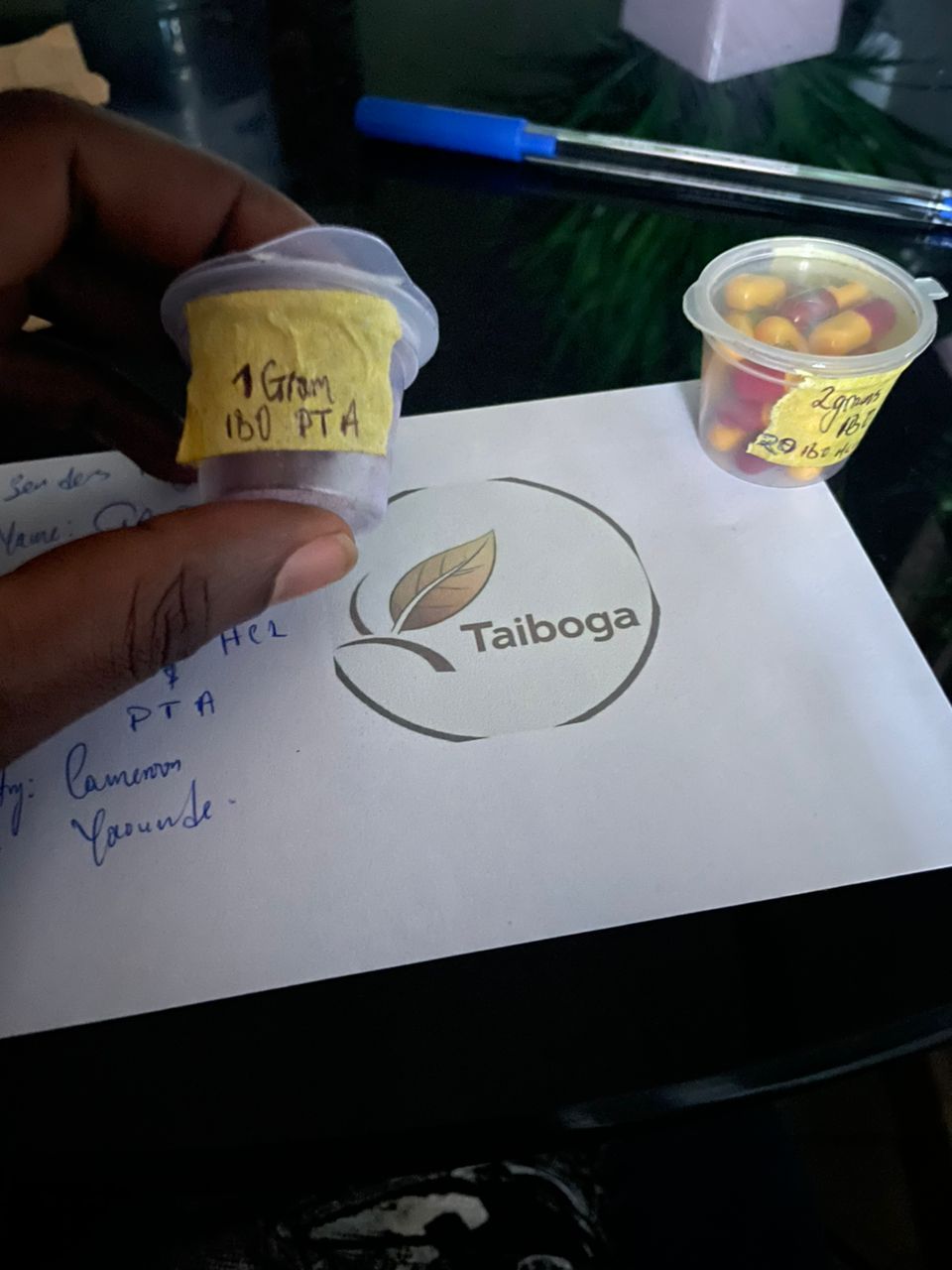
Ibogaine treatment Indiana is a topic receiving increasing attention among individuals researching alternative approaches to addiction recovery and mental wellness. As interest grows around psychedelic-assisted therapies, many people are looking to understand how iboga, ibogaine, and related compounds may influence the brain, emotional health, and personal transformation.
Discover and learn more about the healing potential of ibogaine therapy for anxiety, PTSD, addiction, and depression. Transform your mental health journey today!
Ibogaine comes from the iboga plant, a traditional African botanical that has been used for generations in spiritual and cultural practices. Today, ibogaine is being studied by researchers because of its unique interaction with the brain and its possible applications in areas such as substance use disorders, trauma-related conditions, and emotional wellness.
However, understanding ibogaine requires looking beyond the stories and testimonials. Scientific research, medical screening, professional supervision, and responsible education are important parts of exploring this powerful compound.
This article provides an educational overview of iboga, ibogaine, their potential effects, and why many people are interested in learning more about ibogaine therapy.
Iboga is a tropical shrub scientifically known as Tabernanthe iboga. It is naturally found in regions of Central Africa, especially Gabon, Cameroon, and surrounding areas.
The root bark of the iboga plant contains several naturally occurring alkaloids. The most recognized alkaloid is ibogaine, which has attracted scientific interest because of its effects on the nervous system.
Traditionally, iboga has been used in spiritual and cultural ceremonies. Indigenous communities have valued iboga for its connection to self-reflection, personal insight, and spiritual exploration.
Unlike many modern pharmaceutical substances that are designed to target one specific pathway, iboga contains multiple compounds that may interact with the body and brain in different ways.
Ibogaine is the primary psychoactive alkaloid found in the iboga plant.
When extracted and purified, ibogaine can be produced as ibogaine hydrochloride (Ibogaine HCl), a form commonly discussed in scientific research and specialized treatment environments where legally permitted.
Ibogaine is unique because it interacts with multiple brain systems, including pathways associated with:
Researchers are investigating how these effects may relate to addiction recovery and mental health support.
Although early studies and personal reports have generated interest, ibogaine is not approved as a standard medical treatment for addiction, anxiety, PTSD, or depression in many countries. More clinical research is needed to fully understand its safety and effectiveness.
One reason ibogaine has gained attention is because of its complex relationship with brain activity.
Unlike many substances that affect only one neurotransmitter system, ibogaine interacts with several areas of neurological function.
Research suggests ibogaine may influence:
Serotonin plays an important role in mood regulation, emotional balance, and stress response.
Because many mental health conditions involve changes in serotonin activity, researchers are interested in understanding how ibogaine may influence these pathways.
Dopamine is involved in motivation, reward, and habit formation.
Addiction often involves changes in the brain’s reward system. Researchers are studying whether ibogaine’s effects on dopamine pathways may help explain reports of reduced cravings among some individuals.
NMDA receptors are involved in learning, memory, and communication between brain cells.
Ibogaine’s interaction with these receptors is one reason scientists are exploring its possible relationship with neuroplasticity.
Many people searching for ibogaine treatment Indiana are interested because of ongoing struggles with substance dependence.
Addiction affects the brain, emotions, relationships, and daily life. Recovery often requires a combination of medical care, psychological support, lifestyle changes, and social support.
Research into ibogaine has focused mainly on substance use disorders, particularly:
Some observational studies and reports suggest that ibogaine may help some individuals experience reduced withdrawal symptoms or decreased cravings. However, results vary between individuals, and ibogaine should not be considered a guaranteed solution.
Long-term recovery usually requires continued support after any intervention.
Opioid addiction remains a major global health challenge.
Many individuals struggling with opioid dependence experience:
Ibogaine research has focused heavily on opioid addiction because some individuals report significant changes in cravings following treatment.
Scientists believe this may involve ibogaine’s effects on:
However, opioid addiction is complex, and medical supervision is essential because ibogaine can carry serious risks, particularly related to heart rhythm.
Post-traumatic stress disorder (PTSD) can develop after experiencing or witnessing traumatic events.
Symptoms may include:
Some researchers are exploring whether ibogaine’s effects on memory processing and emotional regulation could have applications in trauma-related conditions.
Some individuals describe intense psychological experiences during ibogaine sessions, including revisiting past memories and gaining new perspectives.
However, ibogaine is not currently an established PTSD treatment, and individuals with trauma histories should approach psychedelic experiences carefully with appropriate professional guidance.
Anxiety disorders affect millions of people worldwide.
They may involve:
Because ibogaine interacts with systems involved in mood and emotional regulation, researchers continue investigating whether it may have future applications in anxiety-related conditions.
Some individuals report feelings of clarity or emotional release after ibogaine experiences. However, personal experiences differ, and professional mental health support remains important.
Depression involves complex changes in mood, thoughts, motivation, and overall wellbeing.
Researchers are interested in ibogaine because of possible effects related to:
Some early research suggests ibogaine-related compounds may influence pathways involved in mood regulation.
However, more scientific studies are required before ibogaine can be considered an established treatment option for depression.
Ibogaine is a powerful psychoactive compound and is not suitable for everyone.
Before considering ibogaine therapy, medical evaluation is extremely important.
Professional screening may include:
This is especially important because ibogaine has been associated with heart rhythm risks in some individuals.
Safety preparation and professional monitoring are essential parts of responsible ibogaine practices. Click here to read and discover more.
The ibogaine experience itself is only one part of a person’s wellness journey.
Integration refers to the process of understanding and applying insights gained after the experience.
Integration may involve:
Creating lasting change often requires ongoing effort and support.
Individuals researching ibogaine treatment Indiana often want to understand whether ibogaine may offer another perspective on recovery and personal growth.
Common reasons people explore information about ibogaine include:
Education allows individuals to make informed decisions and understand both the possibilities and limitations associated with ibogaine.
At TAIBOGA.COM, our mission is to provide educational resources and information about iboga, ibogaine, and wellness-focused approaches.
Whether you are researching iboga root bark, ibogaine science, or the history of traditional iboga practices, learning from reliable sources is an important step toward making informed choices.
For educational information and inquiries:
TAIBOGA.COM
📞 Contact: +237653823790
Our team is available to answer questions and provide information about iboga and ibogaine.
TAIBOGA provides access to iboga-related products and resources for individuals interested in learning more about this traditional plant and its compounds.
First-time customers can use:
Coupon Code: RECOVERY20
to receive a special discount on their first purchase at:
Explore available resources and learn more about:
Ibogaine treatment Indiana represents a growing area of interest as more people explore the relationship between traditional plant medicine, neuroscience, and mental wellness.
Iboga and ibogaine have gained attention because of their unique effects on the brain and their potential role in addiction research and emotional healing. However, responsible education, medical awareness, and safety considerations remain essential.
As research continues, greater understanding may develop around how ibogaine interacts with the human brain and where it may fit within future wellness and therapeutic approaches.
Learning about ibogaine means understanding both its potential and its limitations. With accurate information and responsible decision-making, individuals can better navigate their wellness journey. Learn more about ibogaine treatment by clicking here..
