
Ibogaine treatment New Jersey is an emerging topic for people exploring alternative approaches to addiction recovery, emotional wellness, and neurological health. Ibogaine is a psychoactive alkaloid derived from the Tabernanthe iboga plant, traditionally used in West-Central African spiritual practices. Today, researchers are investigating ibogaine and its metabolite, noribogaine, for their effects on substance use disorders and the nervous system.
For people living with traumatic brain injury (TBI), the subject requires particular care. Ibogaine is not an established or FDA-approved treatment for TBI, and research remains preliminary. However, emerging scientific work has created interest in whether ibogaine-related compounds could influence neuroplasticity, brain signaling, and recovery processes.
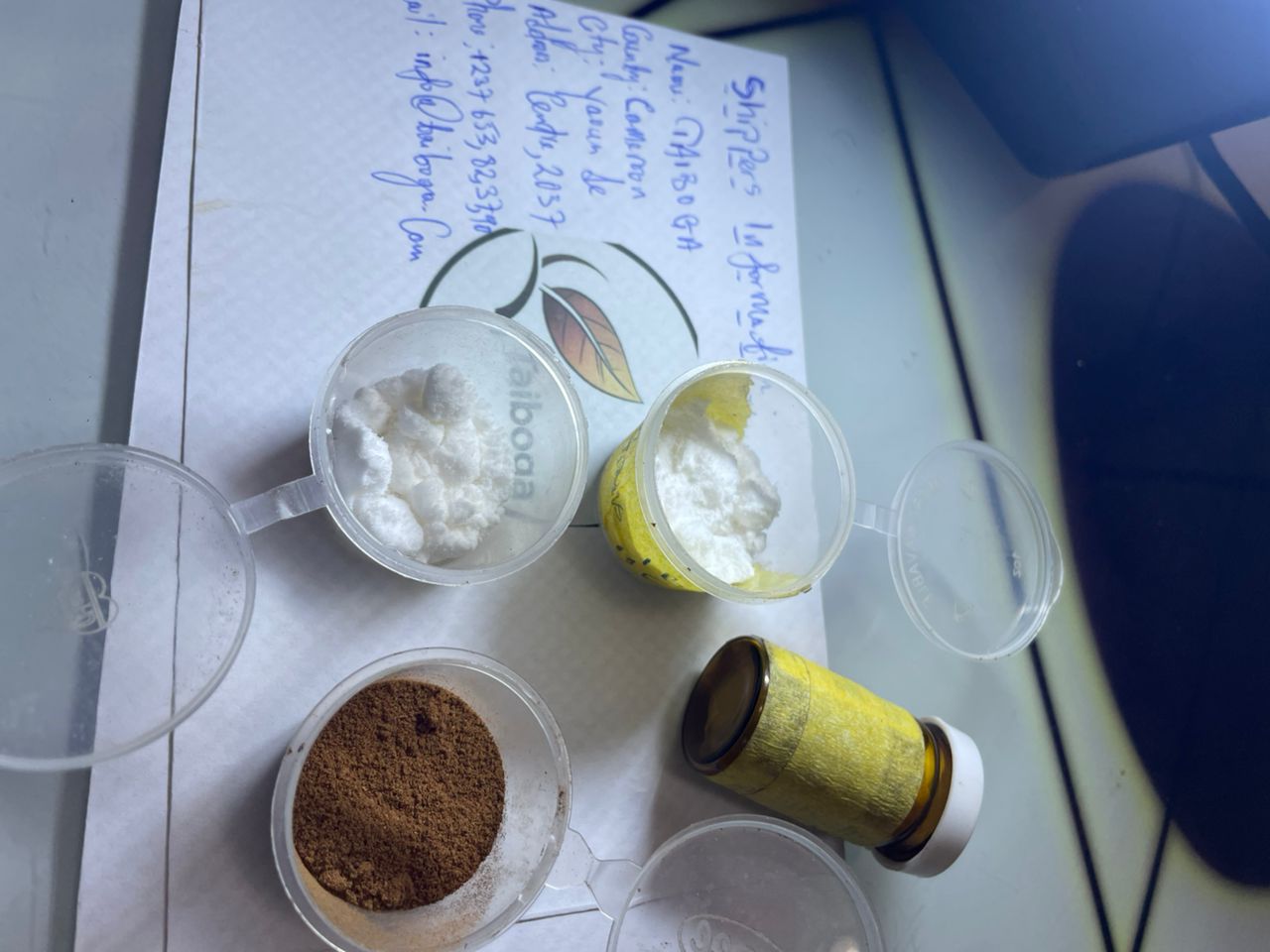
Iboga is a shrub native to Central and West Africa. Its root bark contains several naturally occurring alkaloids, with ibogaine being one of the most studied.
Iboga and ibogaine are not identical. Iboga refers to the plant and its botanical material, while ibogaine refers to a specific psychoactive alkaloid found within the plant.
Research into ibogaine has focused particularly on addiction. Studies and reviews have reported potential effects on withdrawal, cravings, and substance-use behaviors, although stronger controlled clinical research is still needed.
This distinction matters when someone searches for ibogaine treatment New Jersey because treatment should not be understood simply as taking a plant product. A responsible approach involves medical screening, professional oversight, informed consent, and appropriate integration support.
Traumatic brain injury occurs when an external force damages the brain. Falls, vehicle accidents, sports injuries, assaults, and other incidents can cause TBI.
Symptoms vary considerably. Depending on the injury, a person may experience:
Recovery also differs from person to person. Some individuals recover relatively quickly, while others experience persistent post-concussive symptoms.
Conventional TBI care can include neurological assessment, rehabilitation, physical therapy, occupational therapy, speech therapy, cognitive rehabilitation, psychological support, and treatment directed at individual symptoms.
Interest in ibogaine and TBI comes partly from its complex activity across several neurological systems.
A 2026 review proposed that ibogaine’s interactions with multiple receptor systems could potentially influence processes involving excitotoxicity, metabolism, neuroplasticity, immunomodulation, myelination, and neuronal repair. However, the researchers emphasized that the mechanisms behind possible neurological benefits remain uncertain and require further investigation.
This means ibogaine should not currently be described as a proven brain-repair treatment.
Instead, researchers are investigating several possible areas:
Neuroplasticity describes the brain’s ability to adapt and reorganize connections. Because TBI can affect neurological networks, researchers are interested in therapies that may influence plasticity.
Ibogaine has attracted scientific interest because of its complex effects on neurotransmitter systems. However, evidence connecting these effects directly to meaningful TBI recovery in humans remains limited.
Ibogaine interacts with several receptor systems, including NMDA, kappa-opioid, and sigma receptors. Researchers are studying whether these interactions could influence neurological processes associated with recovery.
These mechanisms are scientifically interesting, but laboratory findings should not be confused with established clinical benefits.
A 2026 case series examined three individuals with persistent symptoms following TBI or hypoxic-ischemic brain injury who participated in an iboga-containing microdosing protocol combined with psychotherapy and supportive interventions. The participants reportedly experienced progressive improvements over six weeks.
However, only three people were included, and the protocol involved several interventions. Therefore, the findings cannot demonstrate that iboga or ibogaine caused the improvements.
More controlled research is necessary before conclusions can be drawn.
Another reason ibogaine is being investigated in neurological recovery is its relationship with addiction.
Substance use can affect sleep, cognition, mood, cardiovascular health, and neurological functioning. Ibogaine research has primarily focused on substance-use disorders rather than TBI itself. Reviews have reported potential reductions in withdrawal symptoms and cravings, but safety concerns and limited controlled evidence remain important considerations.
For someone living with both TBI and addiction, treatment therefore needs to address the whole clinical picture rather than treating one condition in isolation.
Anyone researching ibogaine treatment New Jersey should understand that ibogaine carries significant risks.
Ibogaine can affect cardiac electrical activity and has been associated with QT-interval prolongation and potentially dangerous ventricular arrhythmias. A 2026 review recommends controlled medical supervision and rigorous cardiovascular monitoring when ibogaine is used in research or treatment settings.
There have also been documented cases involving seizures, cardiac dysrhythmias, and other serious effects after ibogaine exposure.
People with TBI should therefore not self-administer iboga or ibogaine, particularly when neurological symptoms, medications, heart conditions, seizure history, or other medical concerns are present.
In addition, ibogaine is currently listed as a Schedule I controlled substance under U.S. federal law, so anyone in New Jersey should independently verify current federal and state legal requirements before considering possession, administration, travel, or treatment involving ibogaine.
A thoughtful approach to ibogaine-related care should begin with assessment rather than dosing.
A qualified healthcare professional may consider:
For someone recovering from TBI, conventional neurological care should not be replaced with an unproven psychedelic intervention.
Instead, any exploration of emerging therapies should be discussed with appropriately qualified healthcare professionals.
Every brain injury is different. A person recovering from a concussion may have very different needs from someone who experienced a severe TBI.
That is why recovery should consider the individual’s symptoms, medical history, rehabilitation needs, lifestyle, and goals.
Iboga and ibogaine are receiving increasing scientific attention, but responsible education is just as important as enthusiasm about emerging therapies. The goal should be informed decision-making rather than promising a guaranteed cure.
At TAIBOGA.COM, people interested in iboga and ibogaine can learn more about these emerging approaches and explore available products and support services.
Whether your interest involves addiction recovery, iboga education, or understanding current research surrounding ibogaine and the brain, take time to learn about potential benefits, limitations, contraindications, and safety considerations.
If you are considering your first purchase from TAIBOGA.COM, ask about the RECOVERY20 coupon.
Use RECOVERY20 to request 20% off your first purchase, subject to applicable terms and availability.
Seeking ibogaine treatment in New Jersey? Join us for a personalized recovery experience that prioritizes education, safety, and your overall well-being. Ibogaine research continues to develop, particularly in areas involving addiction and possible neurological applications such as TBI. For now, the evidence should be viewed as promising but preliminary—not as proof that ibogaine treats or reverses traumatic brain injury.
For information about iboga, ibogaine, available products, consultations, and support, contact TAIBOGA.COM at +237653823790. CLICK HERE TO CONTACT DIRECTLY ON WHATSAPP
Start your treatment journey with informed guidance and explore TAIBOGA.COM today.
