
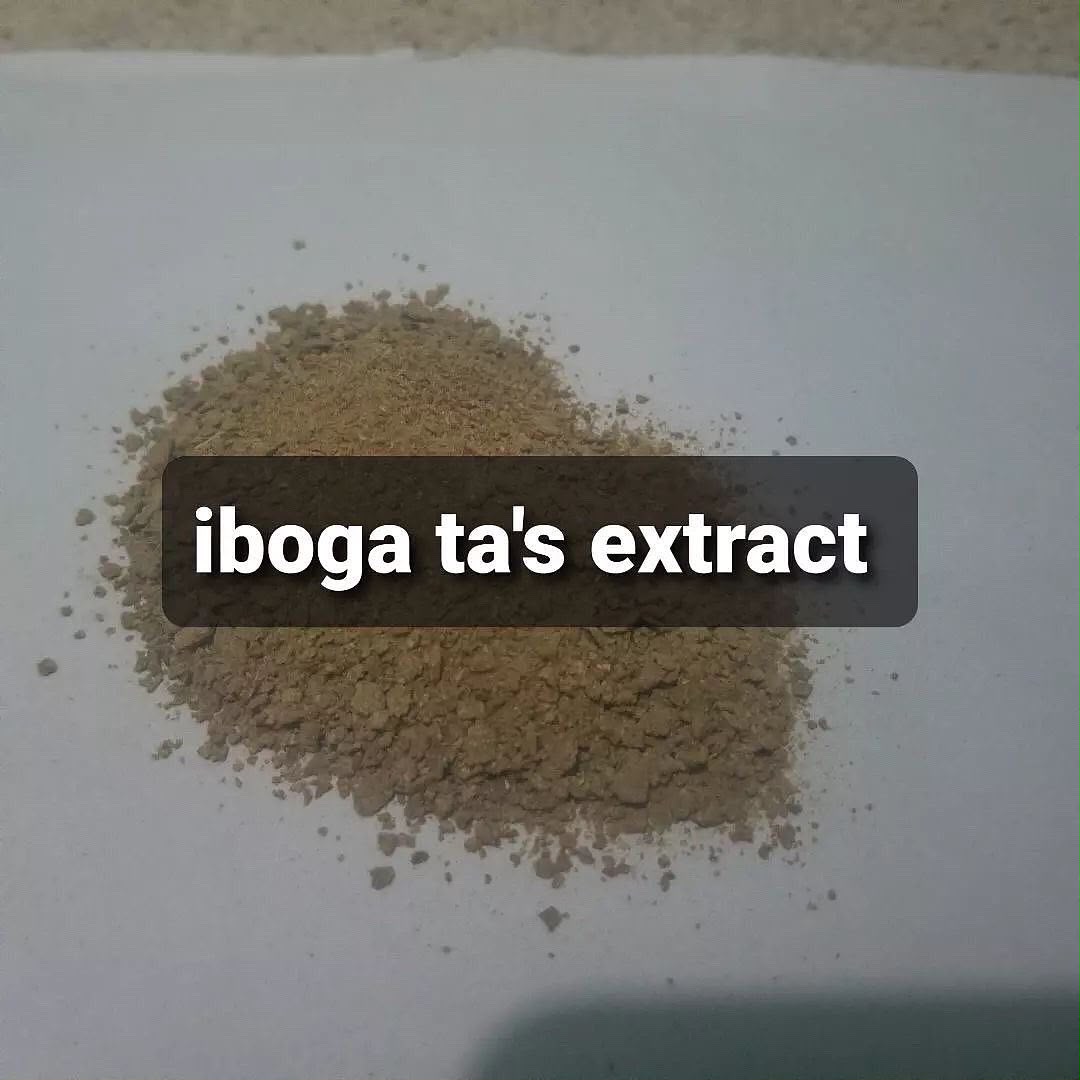
Ibogaine treatment New York is a topic attracting attention from people seeking new approaches to addiction recovery. Ibogaine, a naturally occurring compound found in the African iboga plant, is being studied for its possible effects on substance-related cravings, withdrawal symptoms, and brain processes associated with addiction.
For individuals exploring alternatives to conventional addiction care, understanding iboga and ibogaine can provide valuable insight into an emerging field of research. However, ibogaine is not an FDA-approved treatment for addiction, and its use outside properly authorized research settings carries significant medical risks.
At TAIBOGA.COM, we encourage people to learn about iboga, ibogaine, and recovery support through accurate information and informed decision-making.
Iboga (Tabernanthe iboga) is a shrub native to Central Africa. Its root bark has a long history of traditional ceremonial use in parts of the region, particularly Gabon. The plant contains several naturally occurring alkaloids, including ibogaine.
Iboga and ibogaine are closely related, but they are not interchangeable terms. Iboga refers to the plant, while ibogaine refers to one particular compound found within it.
Modern researchers have become interested in ibogaine because it interacts with several systems in the brain. Scientists are investigating whether these interactions could contribute to future approaches to treating substance use disorders.
This research represents a developing area of medicine, and further controlled clinical studies are needed to establish reliable benefits and appropriate medical protocols.
Ibogaine has a complex pharmacological profile. Rather than acting on a single receptor, it interacts with multiple biological pathways that influence brain activity.
Neurotransmitters are chemical messengers that help brain cells communicate. Dopamine, serotonin, and glutamate contribute to motivation, mood, learning, and reward processing.
Ibogaine affects several of these systems. Researchers are studying whether these interactions may help explain reports of changes in cravings and withdrawal experiences among some people exposed to the compound.
However, these mechanisms are not fully understood, and changes in neurotransmitter activity do not automatically translate into lasting recovery.
After ibogaine enters the body, it is metabolized into noribogaine, an active compound that can remain in the body longer than ibogaine itself.
Noribogaine has been investigated for its interactions with serotonin transporters and other biological targets. Researchers continue to explore how ibogaine and noribogaine contribute to the compound’s overall effects.
Some observational studies and personal reports describe reduced cravings or withdrawal symptoms following ibogaine exposure. These findings have encouraged additional scientific investigation.
Nevertheless, the evidence remains limited. Ibogaine has not been established as a reliable cure for addiction, and researchers have not confirmed that its effects consistently prevent relapse.
Interest in ibogaine has grown because researchers are examining several possible applications.
These areas of investigation offer reasons for continued research. They should not be interpreted as proof of a guaranteed clinical benefit.
Recovery also involves social support, psychological care, medical treatment when appropriate, and long-term planning. No single intervention can guarantee lasting results.
If you are researching ibogaine treatment in New York, begin by checking the treatment’s current regulatory status and whether any legitimate clinical research opportunities are available.
As of October 2026, ibogaine is not an FDA-approved treatment for addiction. The FDA recently announced that it is seeking public input on safety and study-design considerations for early-stage clinical trials involving ibogaine drug products. This is an important research development, but it does not mean that ibogaine has been approved for routine treatment in New York. <Cite refs={[“turn588666search0″,”turn588666search1”]}/>
New York lawmakers have also introduced proposals to encourage research into ibogaine for substance use disorders. These proposals reflect growing interest, but proposed legislation should not be confused with approval of a treatment. <Cite refs={[“turn588666search7″,”turn588666search8”]}/>
Before considering any provider, ask:
Do not rely solely on testimonials, social media posts, or claims that a clinic can guarantee recovery.
People seeking addiction care in New York can speak with a licensed addiction specialist or contact the New York State Office of Addiction Services and Supports (OASAS) to explore established treatment and recovery resources.
Ibogaine has attracted scientific attention, but it also presents serious risks. The FDA has identified concerns involving QT-interval prolongation and potentially life-threatening heart-rhythm disturbances. Serious complications have been reported even in people without known pre-existing heart conditions. <Cite refs={[“turn588666search1″,”turn588666search3”]}/>
For this reason, ibogaine should not be taken at home or used without qualified medical oversight. Online products and claims of purity do not establish that a product is safe, effective, or appropriate for an individual.
A healthcare professional can help assess addiction-related needs, review current medications, and discuss established treatment options. Depending on the substance involved, evidence-based care may include approved medications, behavioral therapies, counseling, peer support, and continuing recovery services.
Seeking professional support is a positive step toward protecting your health while exploring the available evidence.
Recovery is a personal process, and different people need different forms of support. A thoughtful plan may include:
Ibogaine research may contribute to future developments in addiction medicine. For now, it should not replace established care or be presented as a guaranteed shortcut to recovery.
TAIBOGA.COM provides information about iboga, ibogaine, and related wellness topics for people who want to learn more about this field.
If you are exploring our educational resources or eligible support services, contact our team to ask questions about available offerings and the legal requirements that apply where you live.
Please verify all claims independently and speak with a qualified healthcare professional before making treatment decisions. Contacting TAIBOGA.COM does not establish that ibogaine treatment or product sales are authorized in New York.
TAIBOGA.COM invites interested visitors to ask about the RECOVERY20 promotion.
Ask our team to confirm eligibility, product details, and applicable legal restrictions before purchasing. The promotion does not establish that ibogaine products are FDA-approved, medically appropriate, or legally available in New York. Do not purchase or use ibogaine products as a substitute for professional treatment.
Exploring ibogaine treatment New York can help you understand why iboga and ibogaine have attracted attention in addiction research. Scientists are investigating their effects on brain pathways, cravings, and withdrawal experiences, while important questions about effectiveness and safety remain under study.
The most constructive next step is to seek reliable information, consult qualified healthcare professionals, and evaluate treatment options carefully.
Start your treatment and Shop now for a brighter tomorrow!
For educational resources and information about eligible TAIBOGA.COM offerings, contact +237653823790 or visit TAIBOGA.COM. Ask about RECOVERY20 for eligible first purchases, subject to local laws and offer terms.
