
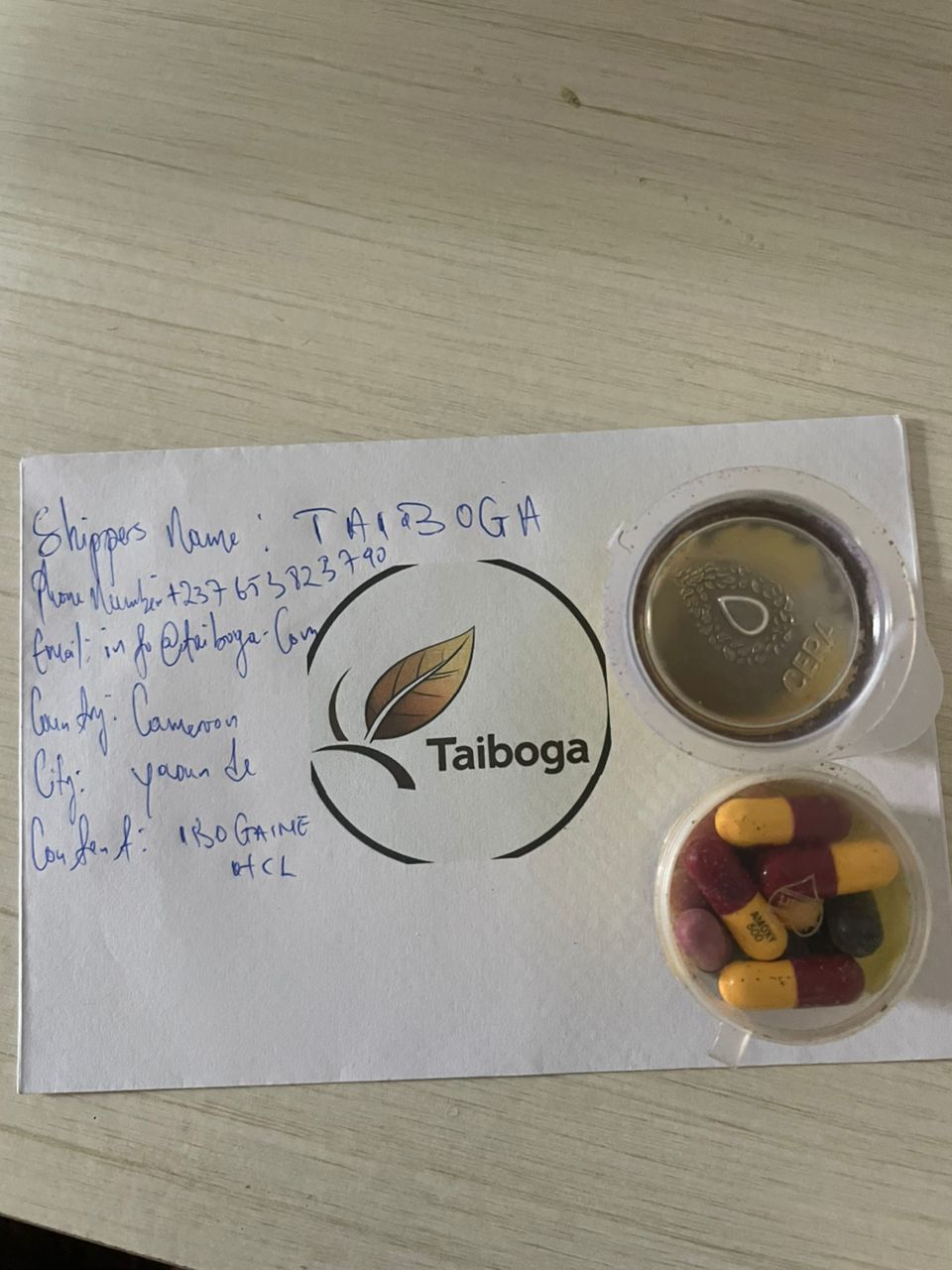
Ibogaine treatment Rhode Island is a topic of growing interest among people exploring new approaches to addiction recovery, personal development, and mental wellness. Derived from iboga, a plant native to Central and West Africa, ibogaine has attracted scientific attention because of its effects on the brain and its potential role in addressing substance use disorders.
At TAIBOGA.COM, we recognize the importance of education, informed decisions, and personalized support throughout the recovery journey. Whether you are researching iboga root bark, ibogaine, or emerging approaches to addiction treatment, understanding how these substances work can help you make better-informed decisions about your health.
This guide explores the relationship between iboga and ibogaine, their potential therapeutic applications, the science behind their effects, and the importance of professional medical oversight.
Ibogaine is a naturally occurring psychoactive alkaloid found in the root bark of Tabernanthe iboga, a shrub native to Central Africa. Traditional communities have used iboga in spiritual ceremonies, cultural practices, and rites of passage for generations.
Researchers later became interested in ibogaine because some people reported changes in withdrawal symptoms and drug cravings after receiving it.
Iboga and ibogaine are closely related, but they are not identical.
Each preparation can differ in composition, concentration, and effects. Therefore, product labels and independent quality testing matter when evaluating any iboga-derived product.
One reason ibogaine attracts scientific interest is its complex interaction with several neurological systems.
Unlike medicines that primarily target one receptor or pathway, ibogaine and its active metabolite, noribogaine, interact with multiple systems involved in brain signalling.
Neurotransmitters are chemical messengers that help nerve cells communicate. They influence motivation, mood, attention, learning, and reward.
Research indicates that ibogaine interacts with several neurotransmitter systems, including pathways involving glutamate, serotonin, and dopamine. These systems also contribute to the behavioural patterns associated with substance use disorders.
Scientists are investigating whether these interactions can help explain the changes in cravings and withdrawal symptoms reported in some people following ibogaine exposure.
However, the precise mechanisms responsible for any therapeutic effects remain under investigation.
People recovering from opioid dependence may experience physical withdrawal symptoms, intense cravings, sleep difficulties, and emotional distress.
Some observational studies and personal reports suggest that ibogaine treatment may temporarily reduce withdrawal symptoms or cravings in certain individuals.
These findings have encouraged further research into its possible role in addiction treatment.
Nevertheless, results vary, and current evidence does not establish ibogaine as a reliably effective or safe treatment for addiction. It should not replace established medical care without guidance from qualified healthcare professionals.
After the body processes ibogaine, it produces noribogaine, an active metabolite that can remain in the body longer than the original compound.
Researchers are examining how noribogaine contributes to ibogaine’s overall effects, including its interactions with serotonin transporters and other neurological pathways.
This prolonged activity is one reason scientists continue to investigate the relationship between ibogaine metabolism, psychological effects, and possible changes in substance-use patterns.
It also reinforces the importance of medical monitoring because effects may continue after the initial experience.
Interest in ibogaine comes largely from its potential to influence processes associated with addiction. Research is still developing, but several areas have attracted attention.
Opioid use disorder can affect physical health, relationships, employment, and emotional well-being.
Some observational research has associated ibogaine exposure with temporary reductions in opioid withdrawal symptoms and cravings. Researchers are investigating whether these effects could eventually contribute to new treatment approaches.
For people in Rhode Island who are exploring recovery options, it is important to compare emerging treatments with established approaches such as medication-assisted treatment, counselling, and structured recovery programmes.
Scientists have also explored ibogaine’s potential relevance to alcohol, cocaine, and other substance use disorders.
Although early findings have generated interest, the evidence remains limited. Further controlled studies are needed to establish whether ibogaine provides meaningful, lasting benefits for these conditions.
Some people describe ibogaine experiences as emotionally intense and personally meaningful.
These experiences may involve memories, reflection, or changes in how individuals understand their behaviour and life circumstances.
However, subjective experiences do not establish medical effectiveness. Psychological support and integration counselling can help individuals process difficult emotions and develop practical recovery goals.
People searching for ibogaine treatment Rhode Island should understand the legal and medical situation before considering treatment. BY DISCOVERING MORE CLICK HERE TO READ AND UNDERSTAND MORE..
Ibogaine remains a Schedule I controlled substance under United States federal law. It is not an FDA-approved treatment for addiction, and it cannot simply be obtained as a legally approved prescription treatment in Rhode Island.
In October 2026, the FDA announced that it was seeking public input on the design of early-stage clinical trials involving ibogaine. This development reflects growing scientific interest, but it does not mean ibogaine has become an approved addiction medicine.
Rhode Island residents interested in recovery can explore established local treatment services, including:
A qualified healthcare professional can help determine which options best match an individual’s medical history, treatment goals, and circumstances.
Ibogaine can affect heart rhythm and may cause potentially life-threatening cardiac complications. It can also produce neurological effects, including impaired coordination and balance.
For this reason, ibogaine should not be treated as an ordinary wellness supplement or used without qualified medical oversight.
Before considering an investigational treatment, individuals should discuss their medical history, current medications, substance use, and cardiovascular health with an appropriately qualified clinician.
Anyone experiencing opioid dependence should also seek professional guidance before stopping opioids or changing prescribed treatment. Withdrawal management and overdose prevention remain essential components of recovery care.
Responsible treatment begins with informed consent, careful screening, and appropriate medical support.
TAIBOGA.COM provides information about iboga-derived products and related educational services for people interested in learning more about iboga and ibogaine.
Depending on availability, the product catalogue may include iboga root bark, iboga-derived preparations, and products labelled as ibogaine formulations.
When researching these products, consider the following factors:
Product identity: Check the exact ingredients and formulation rather than relying on a product name alone.
Quality documentation: Ask whether independent laboratory testing and appropriate quality documentation are available.
Regulatory requirements: Confirm the legal status of the particular product in your location before purchasing or importing it.
Professional guidance: Discuss potential interactions and health risks with a qualified healthcare professional before considering use.
A product’s availability or advertised purity does not establish its safety, clinical effectiveness, or suitability for an individual.
TAIBOGA.COM encourages customers to make informed decisions and seek appropriate professional guidance when evaluating iboga-related products.
Whether you live in Providence, Warwick, Cranston, Newport, or another Rhode Island community, sustainable recovery involves more than any single substance or treatment experience.
A structured plan can include:
These approaches can help people build routines, strengthen coping skills, and work toward meaningful long-term goals.
Ibogaine research may eventually contribute additional treatment options, but established recovery services remain important while scientists continue to evaluate its potential benefits and risks.
Ibogaine is not an FDA-approved addiction treatment and remains federally controlled in the United States. Rhode Island residents should consult qualified healthcare professionals about legal treatment options and any properly authorised clinical research.
Some observational studies suggest that ibogaine may temporarily reduce opioid withdrawal symptoms and cravings. However, evidence remains insufficient to establish its long-term effectiveness or safety. Established treatments for opioid use disorder should be discussed with a qualified clinician.
Iboga refers to the plant and its root bark, which contain several alkaloids. Ibogaine is one specific psychoactive alkaloid found in the plant. Their composition and effects differ.
No. Addiction recovery is individual, and no single treatment guarantees lasting results. Ongoing medical care, psychological support, and a personalised recovery plan can help address the complex factors involved in substance use disorders.
Learning about iboga and ibogaine is an opportunity to explore an evolving area of scientific research while making informed decisions about recovery and well-being.
TAIBOGA.COM welcomes enquiries from people seeking information about iboga-derived products, product documentation, and available educational support.
Contact TAIBOGA.COM
Explore our website, ask questions about available products, and seek qualified medical advice before considering ibogaine or other investigational substances.
Start your treatment and shop now for a brighter tomorrow! CLICK HERE
